
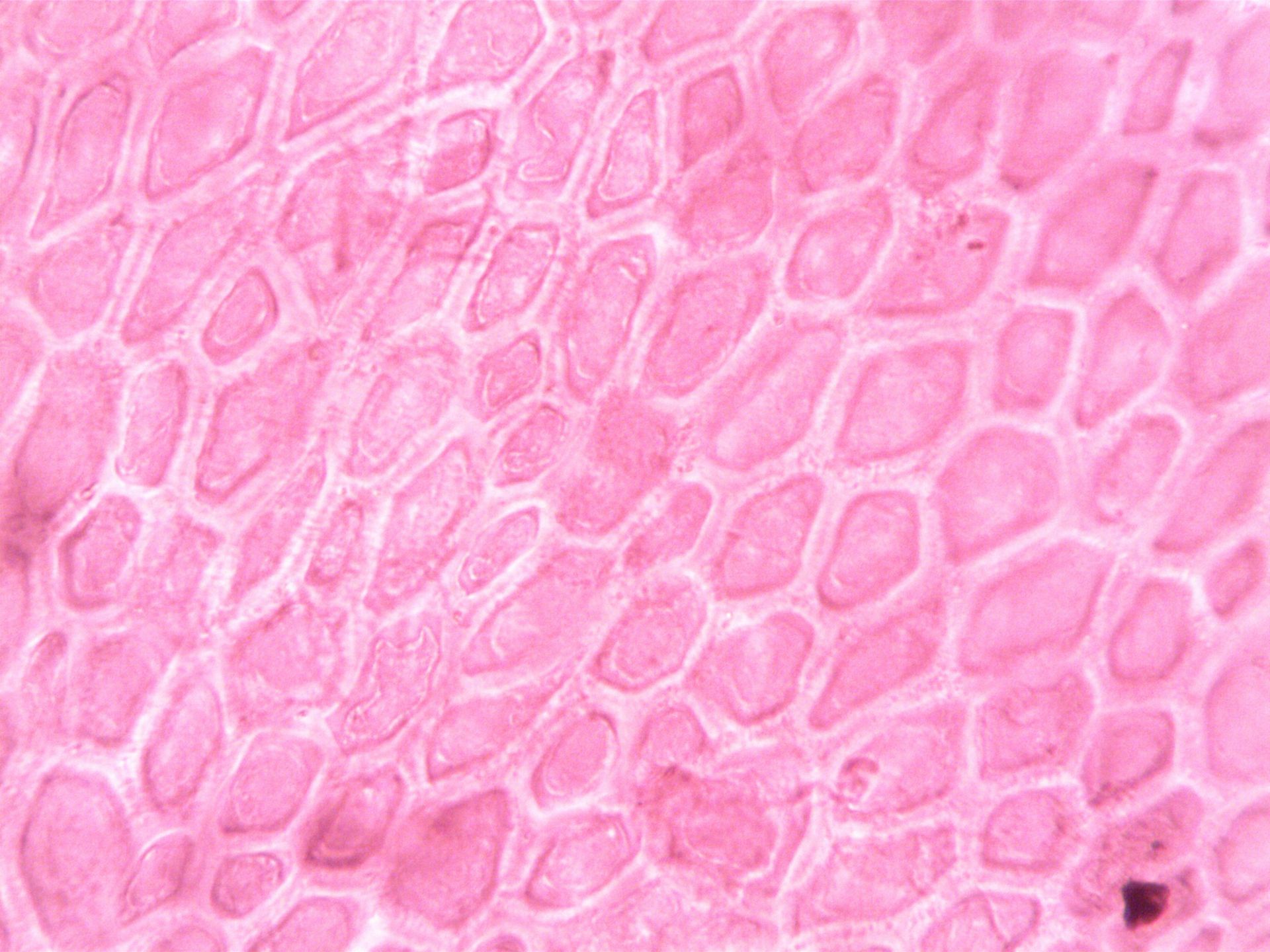
What If Healing Meant Repair, Not Replacement?

In clinical medicine, timing is rarely emphasized enough. Two people can share the same diagnosis and live in completely different biological realities. One may change slowly. Another may decline rapidly after a relatively minor stressor. The difference is often not age, effort, or intent, but where the disease sits on a biological timeline. In Alzheimer’s disease, this distinction matters deeply. There is a phase in which inflammation and immune signaling dominate. There is another in which structural damage overwhelms the brain’s ability to adapt. Strategies aimed at modulating signaling pathways are most relevant in the former, not the latter. This is why timing is not about urgency. It is about appropriateness. Waiting often feels cautious. It can feel respectful of uncertainty. But biologically, waiting is not neutral. Immune signaling, once established, tends to reinforce itself. As that reinforcement continues, flexibility narrows and options change. Understanding this does not obligate action. It simply reframes the cost of delay. Programs that explore biologic interruption strategies are built around this reality. They emphasize evaluation, selection, and realism, not promises. They are not for everyone, and they are not appropriate at every stage. But for those who may still fall within a window where biology can respond, awareness matters. Families often say they wish they had understood this distinction earlier, not because it would have guaranteed a different outcome, but because it would have changed how decisions were weighed. Because in medicine, the right question at the right time can matter as much as the answer.

One of the most difficult aspects of Alzheimer’s disease is not what happens, but why it continues. In healthy biology, inflammation follows a predictable pattern: activation, resolution,and repair. It turns on when needed, and just as importantly, it turns off. In Alzheimer’s, that off-switch often fails. Research over the past decade has highlighted the role of a regulatory molecule called Galectin-3, a protein involved in immune signaling and cellular communication. Galectin-3 does not cause Alzheimer’s in isolation. Rather, it appears to stabilize and reinforce inflammatory signaling, keeping immune cells in an activated state long after the original trigger has passed. This phenomenon is sometimes described as immune lock-in. When immune cells remain locked in an activated posture, they stop behaving like repair crews and begin behaving like chronic responders. Over time, this persistent signaling alters the brain’s environment, affecting neuronal resilience, clearance mechanisms, and functional stability. This helps explain why many Alzheimer’s therapies that focus only on symptoms or late-stage findings struggle to change outcomes. They are working downstream, while the signal that sustains progression remains active upstream. Understanding this biology does not create certainty, but it does create coherence. It explains why decline often continues despite compliance, support, and best intentions. Modern investigation is now asking a different question: not just what accumulates in Alzheimer’s, but what keeps the immune system engaged when it should stand down.

In medicine, the most meaningful advances rarely come from what is most visible. They come from what has been quietly ignored. For decades, Alzheimer’s disease has been discussed primarily in terms of memory loss, plaques, and symptoms that appear late in the process. Treatment strategies have largely focused on managing consequences, while the underlying biology that drives progression continued unchecked. What has become increasingly clear in advanced research is that Alzheimer’s behaves less like a disorder of memory and more like a condition of persistent cellular distress and unresolved immune signaling. This is where progress begins to look different. Rather than focusing only on what accumulates in the brain, modern investigation is asking deeper questions: Why do inflammatory signals remain active? Why do immune cells stay engaged long after their role should be complete? How does ongoing signaling quietly reshape brain function over time? These processes occur at a cellular level, far beneath what imaging or cognitive testing can detect. Yet they strongly influence whether decline accelerates, stabilizes, or becomes unpredictable. Programs that explore this biology are not built around urgency or promises. They are built around understanding, how immune modulation, cellular communication, and signaling balance may influence disease trajectory when approached thoughtfully and early enough. At first, this perspective may seem unconventional. But in clinical medicine, it is often the unconventional question that explains why conventional approaches fall short. Those who take the time to understand these deeper mechanisms often describe a shift, not in certainty, but in clarity. And clarity changes how decisions are made. The conversation around Alzheimer’s is evolving. Not quickly. Not dramatically. But meaningfully.

The new season is a great reason to make and keep resolutions. Whether it’s eating right or cleaning out the garage, here are some tips for making and keeping resolutions.

There are so many good reasons to communicate with site visitors. Tell them about sales and new products or update them with tips and information.

Write about something you know. If you don’t know much about a specific topic that will interest your readers, invite an expert to write about it.